Peptide Pureness Resolution Creative Peptides-peptide Medicine Discovery
Understanding Peptide Purity Screening
It is one reason correct peptide storage and reconstitution methods issue. Partial peptide fragments can result from insufficient synthesis or post-synthesis destruction. These pieces are typically smaller sized than the target peptide and may elute at different retention times.At Maxed Out Compounds, every item we provide features a clear testing record and clear documentation. Our goal is to sustain scientists get more info with high-purity, confirmed compounds that meet the needs Go to this website of contemporary scientific research study-- nothing even more, nothing less. Independent, third-party testing plays an important role in guaranteeing objectivity and precision. By using outside labs for verification, distributors remove predisposition and maintain clinical reliability. It's an added step that gives scientists self-confidence that each peptide fulfills consistent, proven criteria. This quality fits the majority of artificial insemination research study applications-- receptor binding assays, enzyme activity researches, and cell society experiments.
For scientists, getting validated peptides isn't simply a rule-- it's the structure of dependable experiments and study reproducibility. Poor-quality peptides (those with undetected contaminations, wrong sequences, or broken down parts) can cause misleading information and irreproducible outcomes. As a matter of fact, healthy proteins and peptides are among one of the most commonly made use of lab reagents, yet studies have revealed that their quality is commonly poor, causing bad information reproducibility. Starting with proper lab validation is therefore a vital part of a scientist's quality control process.- Poor-quality peptides (those with undetected pollutants, incorrect series, or weakened components) can cause deceptive data and irreproducible outcomes.
- Simply put, extensive laboratory recognition is how you show to regulatory authorities that your peptide satisfies all quality specifications.
- Reliable peptide testing laboratories will certainly offer a collection of modern analytical methods-- HPLC coupled with MS is a must, and availability of added methods like capillary electrophoresis or amino acid evaluation is a reward.
- In sensible COA testimonial, the term generally describes pureness screening, identity screening, and documents testimonial.
Apex Laboratory Content Team
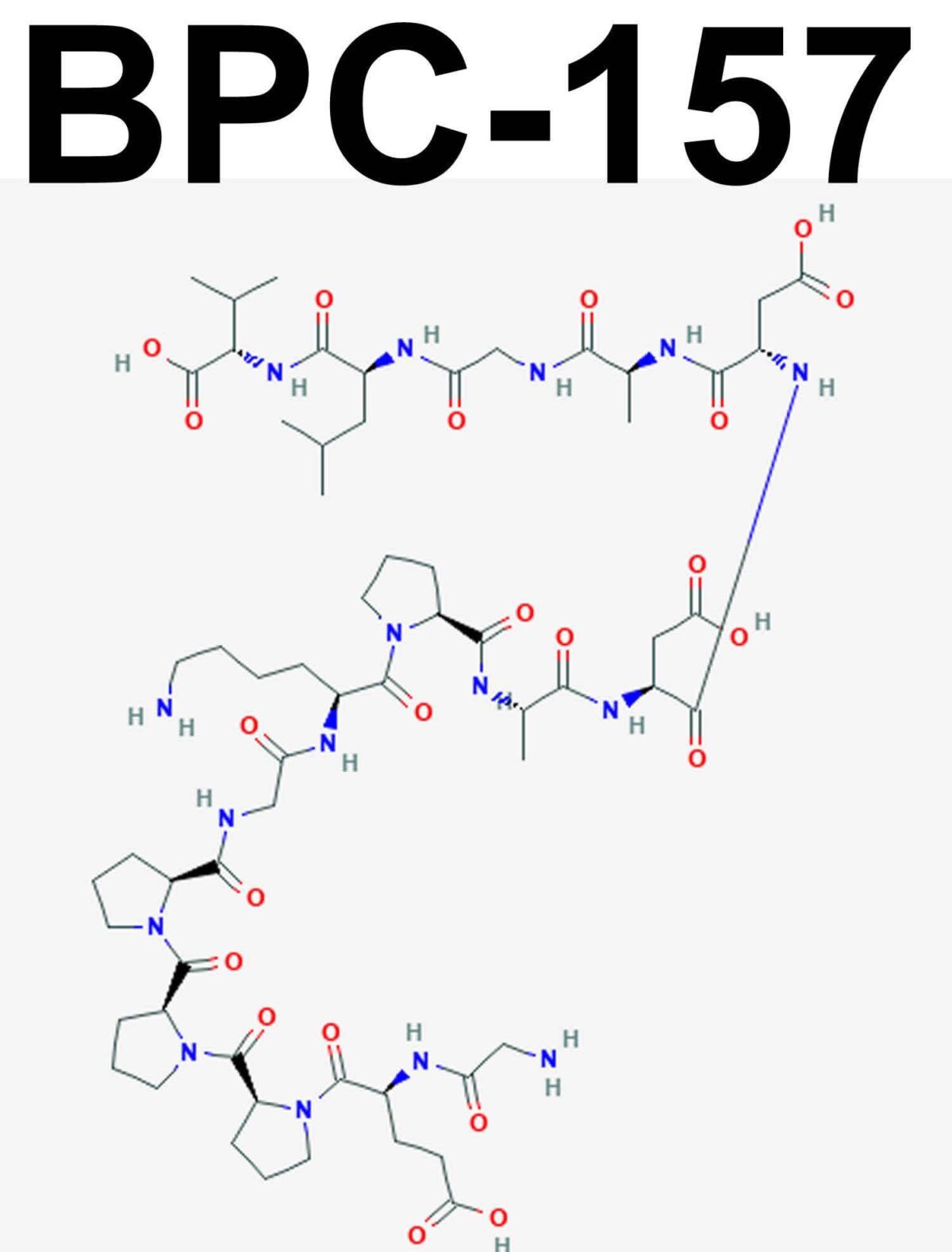
HPLC can support cases about chromatographic pureness, impurity peak burden, and deterioration patterns when the method is proper and the chromatogram is offered. If a peptide is re-tested after storage stress and anxiety, HPLC can disclose whether brand-new contamination tops have actually appeared or whether the main peak location has actually declined. This links directly with managing subjects such as peptide storage and peptide reconstitution. As an examples of product-level context, compare the expected masses for Retatrutide, BPC-157, and Semaglutide.Not Enough In Vivo/in Vitro Stability Information

In basic terms, a peptide listed as 95% pure consists primarily of the target peptide (95%), with the continuing to be ~ 5% made up of impurities. These impurities can consist of things like reduced or truncated sequences, deletion variants, oxidized deposits, or various other small side-products from the synthesis procedure. Peptides are extensively made use of in the medical appearances, cosmetics, and biomedical areas due to their special organic task and wide application potential. Nonetheless, the quality of peptide products directly influences their effectiveness and security, making exact top quality screening services essential.
The gold requirement for determining peptide purity is high-performance fluid chromatography, generally abbreviated as HPLC. If you see a purity percentage on a peptide product, it almost certainly originated from an HPLC evaluation. This issues because peptides are constructed one amino acid at once with solid-phase peptide synthesis (SPPS). At each step, there's a little chance that something goes wrong-- an amino acid does not affix, the wrong modification occurs, or a side reaction produces an unintended result. Over a chain of 10, 20, or 40 amino acids, those small per-step error rates compound. Peptide screening is the collection of logical checks used to evaluate a peptide sample prior to it is utilized in a research study workflow. In practical COA evaluation, the term generally refers to pureness screening, identification testing, and paperwork evaluation. Purity testing asks how much of the discovered example is the primary peptide versus related contaminations. Identity screening asks whether the gauged mass or sequence-related proof matches the designated peptide. Documents evaluation asks whether the report is batch-specific, deducible, and outlined enough to be investigated. Peptide screening is the analytical procedure made use of to validate that a research study peptide is both pure and correctly determined.
Ends · SETHKWFG672